The carbon dioxide (CO2) fractional laser has become a widely used precision tool in medical aesthetics and dermatologic care, with a 10,600 nm wavelength that targets water in tissue to produce controlled thermal effects. Its fractional scanning approach creates microscopic treatment zones while sparing surrounding healthy tissue, a design intended to speed recovery and reduce side effects.
The CO2 fractional laser is a high-precision device used across a range of clinical settings. Its core technology relies on an infrared laser at a wavelength of 10,600 nm, which is readily absorbed by water in tissue and produces precise thermal effects.
Fractional scanning divides the laser beam into an array of small beams, creating microscopic thermal injury zones on the skin rather than broad-area ablation. The approach removes damaged epidermis while preserving surrounding untreated healthy tissue; these spared areas act as bridges that accelerate the skin's repair process, shorten recovery and minimize side effects.
The primary physiological effects include thermal ablation, fibroblast activation and neocollagenesis, or new collagen synthesis. By adjusting energy density, pulse width and scan patterns, the device can address a range of clinical needs:
| Function category | Clinical application scenario |
|---|---|
| Skin aesthetics | Skin resurfacing, rejuvenation, scar reduction and stretch mark repair |
| Tissue repair | Skin tightening, collagen regeneration and mucosal microcirculation improvement |
| Surgical procedures | Removal of moles, warts, hemangiomas and other skin lesions |
The technology therefore spans dermatologic resurfacing, tissue repair and select surgical applications, with treatment settings determined by the clinical indication.
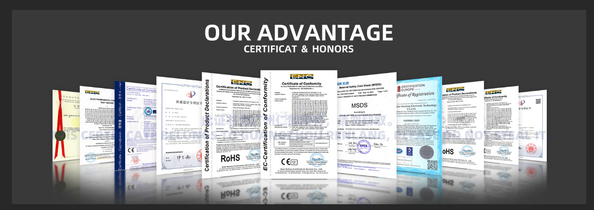
For medical devices, CE marking in the European Union and FDA authorization in the United States are important gateways to international markets. CE marking indicates conformity with EU health, safety and environmental standards, while FDA authorization is intended to require clinical data demonstrating safety and effectiveness for specific uses.
For medical institutions and purchasers, verifying that a device holds the relevant certification is a prerequisite for medical quality and legal compliance. Checks should include certificate copies, device model matches and the status of the notified body or FDA registration.
Контактное лицо: Mr. Frank
Телефон: +8613826474063